Collection: Pond Supplies
Everything that keeps a koi pond clear, oxygenated and stable, from the pump and filter through to the UV, the plumbing and the bottle of dechlorinator you reach for on water-change day. We stock what we run on our own systems in San Jose: Aqua Ultraviolet, Sequence, Teton, Hakko, Alita, Matala, Valterra and Lasco.
Not sure what size you need? Our pond sizing calculator turns three measurements into a pump, UV, aeration and filtration spec for your pond. Or send us your pond volume, depth, plumbing size and head height, and we will size the system with you.
What are you working on?
Every shelf in the pond aisle, sorted by the job it does. Not sure yet? The calculator below will tell you what your pond needs.
PumpsThe heart of the system, running 24/7. External and submersible, 250 to 8,200 GPH.Shop pumps
FiltrationBead filters, skimmers, Japanese matting and bio-media. Where water quality is actually made.Shop filtration
UV sterilizersThe fix for green water. Complete units 8 W to 240 W, plus every lamp, sleeve and transformer.Shop UV
AerationAir pumps, diffusers, stones and manifolds. The cheapest insurance you can buy for a koi pond.Shop aeration
Plumbing & valvesLasco and Valterra PVC, ball and knife-gate valves, bulkheads, unions and check valves.Shop plumbing
Water treatmentsDechlorinator, beneficial bacteria, KH buffer, ammonia binders, clarifiers and clay.Shop treatments
Algae controlGreen water and string algae are different problems. These are the products for the second one.Shop algae control
Replacement partsLamps, quartz sleeves, transformers, gaskets, O-rings and diaphragm kits. Know the part you need? Start here.Find my part
Liners & constructionFirestone PondGard 45 mil EPDM, butyl seam tape, patches and expanding foam for setting rock.Shop liners
Test kitsAmmonia, nitrite, nitrate, pH and KH. The cheapest, most useful thing a new pond keeper can own.Shop test kits
Koi health & medicationsParasites, ulcers, fungus and wound care, with a symptom finder to point you at the right treatment.Shop treatments Or shop equipment by pond size
Pumps, UV, air pumps and filters rated for your volume, using each manufacturer's own sizing chart.
What size do I need?
Give us three measurements and we will size your pump, UV, aeration and filter, then take you straight to the gear that fits.
These are starting points, not gospel. Head height, pipe runs, shade, climate and how hard you feed all move the numbers. Send us your measurements and we will size the system with you.
Turn on JavaScript to use the calculator, or work it out by hand: length times width times average depth in feet, times 7.5 for a rectangular pond. Then aim for one to one and a half turnovers per hour on the pump. The sizing tables further down this page have the rest.
-
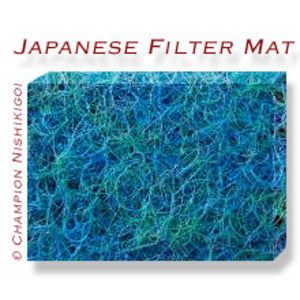
Japanese Filter Mat
Vendor:MatalaRegular price $125Regular priceSale price $125 -
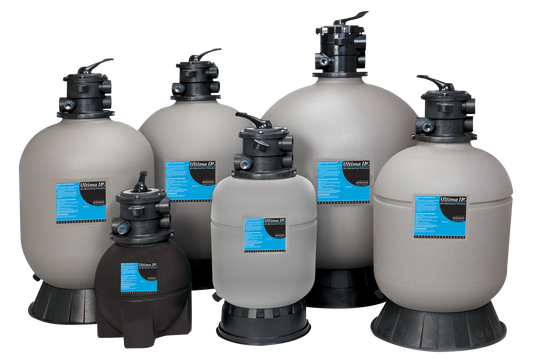
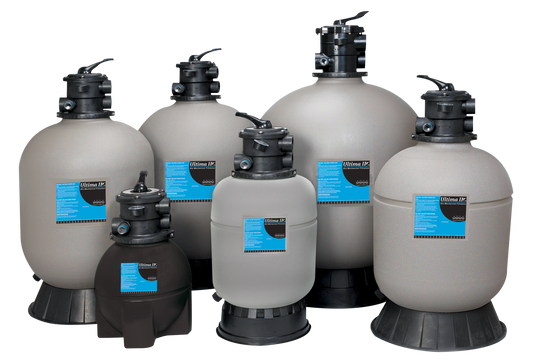
Aqua UV Ultima II Filter - 1 1/2 inch outlets
Vendor:Aqua UVRegular price From $998.75Regular priceSale price From $998.75 -
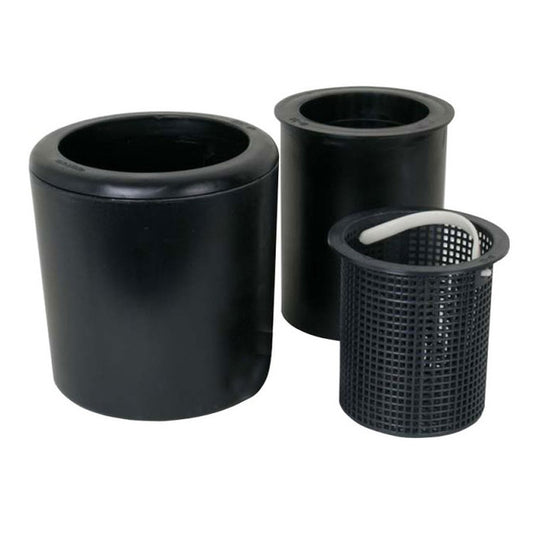
No Niche Skimmer
Vendor:AladdinRegular price $119.98Regular priceSale price $119.98 -
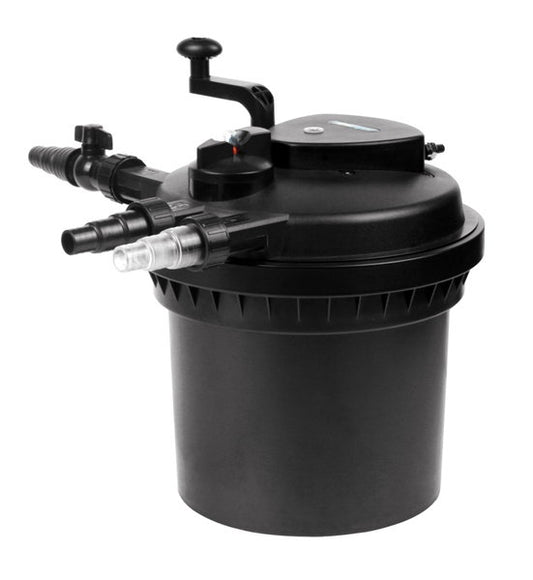
PondMax PF4800UV Pressure Filter w/ UV Clarifier
Vendor:PondMaxRegular price $774.98Regular priceSale price $774.98 -
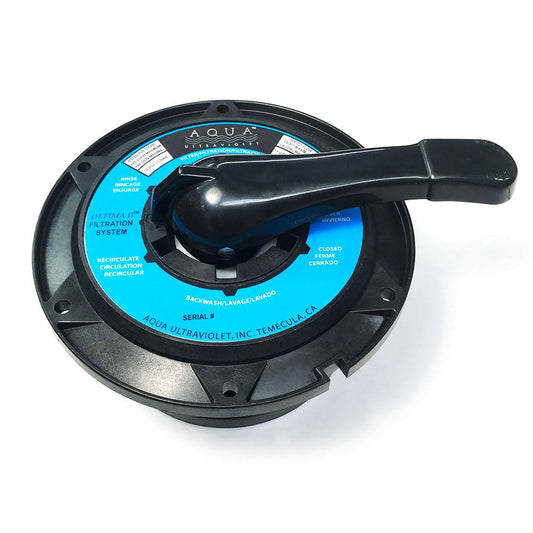
Aqua UV Ultima II Key Handle Assembly, 1-1/2" Valve (A50061)
Vendor:Aqua UVRegular price From $301.63Regular price$430.90Sale price From $301.63Sale -
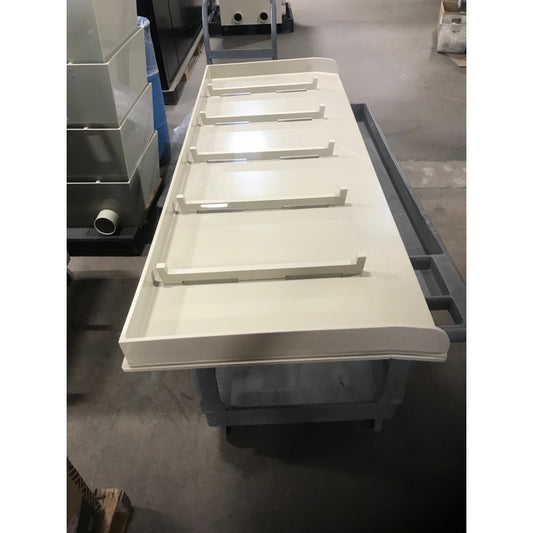
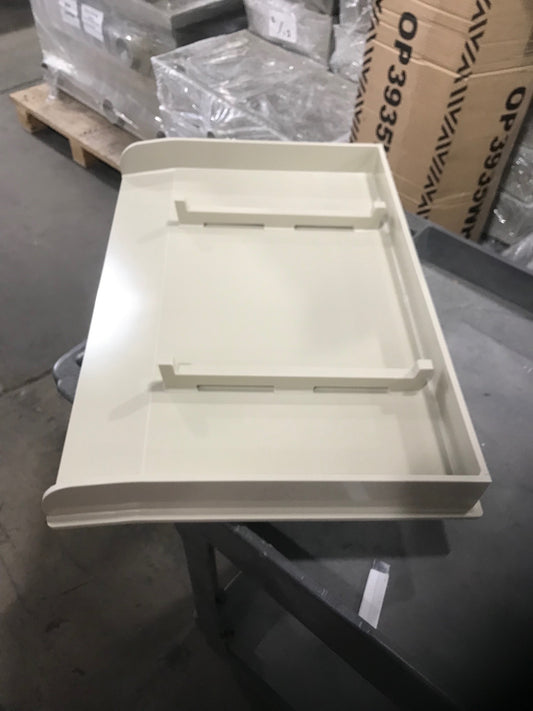
28" Bakki Shower w/ 2 x 4" Outlet
Vendor:Regular price $1,199.99Regular priceSale price $1,199.99 -
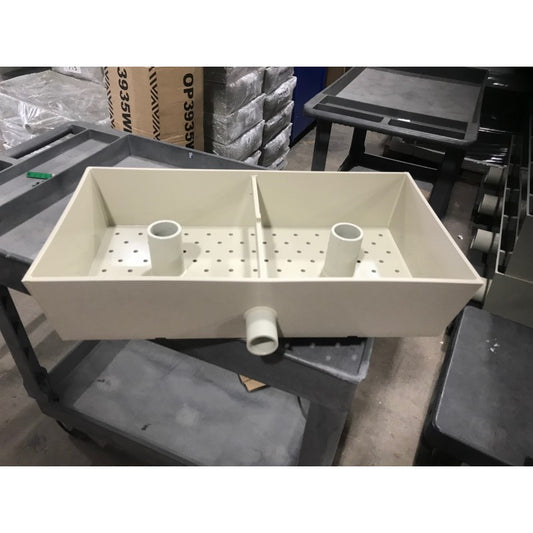
60" Bottom Plate Only
Vendor:Regular price $500Regular priceSale price $500 -
28" Bottom Plate Only
Vendor:Regular price $275Regular priceSale price $275 -
Aqua UV Ultima II Filter - 2 inch outlets
Vendor:Aqua UVRegular price From $1,643.23Regular priceSale price From $1,643.23 -
PondMax PF3600UV Pressure Filter/UV Clarifier
Vendor:PondMaxRegular price $699.98Regular priceSale price $699.98 -
PondMax PF2400UV Pressure Filter/UV Clarifier
Vendor:PondMaxRegular price $549.98Regular priceSale price $549.98 -
PondMax PF1200UV Pressure Filter/UV Clarifier
Vendor:PondMaxRegular price From $299.98Regular priceSale price From $299.98 -
Filter Body O-Ring for Aqua UV Ultima II, Aftermarket Replacement
Vendor:Regular price $24.94Regular priceSale price $24.94 -
Aqua UV Ultima II Spider Gasket, 2" Valve (A50024)
Vendor:Aqua UVRegular price $70.75Regular priceSale price $70.75 -
Aqua UV Ultima II Valve Cover O-Ring, 1-1/2" & 2" Valve
Vendor:Aqua UVRegular price From $27.95Regular priceSale price From $27.95 -
Teton XKF Series Pressure Bead Filter
Vendor:TetonRegular price From $1,249.98Regular priceSale price From $1,249.98 -
Honeycomb Filtration Media
Vendor:Aqua UVRegular price $150.35Regular priceSale price $150.35
New to ponds? Follow the water.
Every piece of equipment on this page does one job in a loop. Once you can see the loop, buying the right thing gets easy.
A koi pond is not a water garden.
This is the single most expensive lesson in the hobby. A dozen goldfish and some lilies will forgive a small pump and a tub filter. Koi will not. A mature koi eats hard, grows to two feet, and produces waste all season, so a koi pond needs several times the filtration, flow and oxygen of a decorative water feature the same size. Gear sized for a water garden is the usual reason a new pond goes green, then cloudy, then sick. Buy for the fish you intend to keep, not the pond you are looking at today.
A bottom drain pulls settled waste off the floor, and a skimmer takes leaves and pollen off the surface before they sink and rot. Between them sit the valves and bulkheads that let you isolate any part of the system without draining the pond. Skimp here and you spend the next ten years netting debris by hand.
The pump is the heart of the system and it runs 24 hours a day, every day, so efficiency matters more than sticker price. Target turning your whole pond volume over once to one and a half times per hour. External pumps keep electricity out of the water and are easy to service in February; submersibles are cheaper and fine on smaller ponds.
Mechanical filtration catches what you can see: waste, uneaten food, leaves. It has to come before the biological stage, because solids left to rot in your bio-media turn back into ammonia and choke the bacteria you are trying to grow. This is the stage most undersized systems are missing.
Koi excrete ammonia, which is toxic at tiny concentrations. Nitrifying bacteria living on your bio-media convert it to nitrite, then to far safer nitrate, which you export with water changes. That colony takes four to eight weeks to establish, needs oxygen and constant flow, and is killed by chlorine. It is the reason you never rinse filter media in tap water.
Green water is single-celled algae suspended in the water column. No filter catches it, the cells are too small. A UV unit passes water past a UV-C lamp, the cells clump, and your filter finally gets them. Plumb it after the filter, run it continuously, and change the lamp on the calendar rather than when it stops glowing.
Oxygen is the one thing koi cannot wait for. Warm water holds less of it, exactly when the fish and the bacteria want more, so summer nights are when ponds are lost. A dedicated air pump and diffusers are cheap insurance, they keep working if the main pump fails, and in winter they hold a hole open in the ice for gas exchange.
Two jobs sit outside the plumbing. Dechlorinate every drop of tap water you add, or you kill the bacteria in step 4 and burn your fish's gills. And watch your KH: koi ponds steadily consume carbonate hardness, and when it runs out the pH crashes overnight. Buffer it before that happens.
There are two kinds and they need opposite answers. Green water floats, and UV fixes it. String algae clings to rocks and waterfalls, and UV does nothing to it at all. String algae is a nutrient problem: it is fed by fish waste and overfeeding, so treatments buy you time while filtration and feeding habits do the real work.
Building, expanding or patching a leak: EPDM liner, seam tape, patches and expanding foam for setting rock. EPDM is fish-safe, stays flexible in the cold, and is what we use on our own systems. Measure twice, and add double your deepest point plus two feet to each dimension so you have skirt to work with.
Size it right the first time
The numbers behind the calculator, straight from the manufacturers' own charts.
Pumps: match the flow to your pond, then check the head
Turnover depends on how hard the pond is stocked, not just how big it is. Plan on one full turnover an hour for a lightly stocked pond, two for a typical hobby pond, and three once you are stocked heavily. Then subtract for head: every foot you lift the water, plus friction in the pipe and every elbow, costs you flow. A pump rated 5,000 GPH at zero head might deliver 3,500 at the top of your waterfall, so size from the manufacturer's curve at your real lift, not the headline number.
Swipe the table to see our models →
| Pond volume | Target flow, typical stocking | Models we stock |
|---|---|---|
| Up to 1,000 gal | 1,000 to 2,000 GPH | PondMaster Mag Drive, 250 to 2,400 GPH. Submersible, energy efficient, ideal for small ponds and waterfall features. |
| 1,000 to 3,000 gal | 2,000 to 6,000 GPH | Sequence 750 (3,600 to 4,200), Sequence 1000 (3,300 to 6,100), Teton XT Ecostream (3,500 up). |
| 3,000 to 6,000 gal | 6,000 to 12,000 GPH | Sequence 4000 (to 8,200), Teton XT8000, Matala Geyser Max Flow (to 6,200). Past about 8,000 GPH, split the flow across two pumps. |
| 6,000 to 12,000 gal | 12,000 GPH and up | Two pumps on separate returns. Every pond this size splits the load, and at three turnovers an hour a heavily stocked one needs it. |
| Pump above water line | Self-priming required | Sequence Primer Alpha. Standard centrifugal pumps need flooded suction and will not lift water to start. |
The middle column assumes a typical stocking at two turnovers. Halve it for a lightly stocked pond, add half again for a heavy one. Two pumps beat one either way: splitting flow between a filter loop and a waterfall gives you redundancy, and a failed pump at 3am stops being an emergency.
UV: size for sterilizer duty, not clarifier duty
The same unit does two jobs depending on how fast you push water through it. Run it slow and it is a sterilizer: clear water plus control of free-floating bacteria and parasite stages. Run it fast and it is a clarifier, which handles a much bigger pond but only knocks algae back. Koi ponds want sterilizer duty. The figures below are Aqua Ultraviolet's own published chart, and unusually they are calculated at end of lamp life rather than on a brand new lamp.
Swipe the table to see max flow →
| Pond volume | Aqua UV Classic | Max flow through the unit |
|---|---|---|
| Up to 200 gal | 8 W | 642 GPH |
| 200 to 500 gal | 15 W | 700 GPH |
| 500 to 1,200 gal | 25 W | 1,200 GPH |
| 1,200 to 2,000 gal | 40 W | 2,900 GPH |
| 1,500 to 3,000 gal | 57 W | 3,200 GPH |
| 2,200 to 4,400 gal | 80 W or 114 W | 3,678 to 3,900 GPH |
| 4,400 to 6,000 gal | 120 W | 4,080 GPH |
| 6,000 to 8,500 gal | 160 W | 5,400 GPH |
| 8,500 to 13,000 gal | 200 W | 6,600 GPH |
| 13,000 to 17,000 gal | 240 W | 7,200 GPH |
If your pump moves more water than the unit's max flow, tee off a bypass rather than sizing down. Water travelling too fast does not get enough exposure to do anything. Lamps are a 12 to 14 month consumable: we stock every lamp, sleeve and transformer.
Aeration: size by fish load, not just gallons
Plan on roughly 1 CFM of air per 1,000 gallons as a floor, and 1.5 to 2 CFM if your pond is deep, heavily stocked, or sits in a hot climate. Depth matters as much as volume, because the pump has to overcome the water pressure above the diffuser. The chart below is Hakko's own recommendation and reads across to the equivalent Alita models.
Swipe the table to see heavy stocking →
| Pond volume | Light fish load | Medium fish load | Heavy fish load |
|---|---|---|---|
| 1,000 to 4,000 gal | 40 L | 40 L | 60 L |
| 4,000 to 8,000 gal | 60 L | 80 L | 100 L |
| 8,000 to 12,000 gal | 80 L | 100 L | 120 L |
| 12,000 to 20,000 gal | 100 L | 120 L | Two 80 L units |
Under 1,000 gallons, the Alita AL-6A or AL-15A is the right scale. Diaphragms are a wear part on every linear air pump: keep a rebuild kit on the shelf rather than losing a weekend to a dead pump.
How many koi will it actually hold?
Stocking is where beginners get caught out, because tosai are small and adults are not. Plan for the fish you are buying at full size. These are working numbers for a properly filtered pond with good aeration; a lightly filtered pond should stay at the conservative end.
Swipe the table to see what it means →
| Koi size | Water per fish | What that means |
|---|---|---|
| Tosai, under 10 in | ~50 gal | Easy to over-buy at this stage. They will not stay this size. |
| Nisai to sansai, 12 to 20 in | ~150 gal | The size most hobby ponds are really stocked at. |
| Adult, 24 in and up | 250 to 350 gal | A 3,000 gallon pond comfortably holds around ten adult koi. |
Overstocking does not usually kill fish outright. It stunts growth, keeps ammonia and nitrite twitching, and turns every minor parasite into an outbreak. If you are near the limit, add filtration and aeration before you add fish.
Pond keeping ground rules
The habits that keep a koi pond stable, and the questions we answer most often.
Know your real gallons
Every number in this hobby is dosed or sized by volume. Measure once, write it on the filter housing in marker, and stop guessing. Most people overestimate by a third.
Buy one size up on filtration
Nobody has ever regretted an oversized filter. Undersizing is the most common and most expensive mistake in the hobby, and you cannot fix it with chemicals.
Dechlorinate every refill
Chlorine and chloramine kill the bacteria colony you spent two months growing, and damage gills on the way through. Treat the water going in, every single time.
Never run the pump dry, or the UV without flow
Mechanical seals fail in seconds without water, and a UV lamp running in a dry chamber overheats the quartz sleeve. Wire them so they start and stop together.
Put unions either side of everything
Pumps, filters, UV, valves. The extra twenty dollars in fittings is what stands between a ten minute service and cutting pipe out of a wet hole.
Turn the UV off while you medicate
UV-C degrades most treatments, and activated carbon strips them out entirely. Bypass both for the duration of a course, then bring them back online.
Common questions
How do I work out how many gallons my pond holds?+
Length times width times average depth, all in feet, times 7.5 for a rectangular pond. For a round or oval pond use 5.9, and for an irregular shape use about 6.7. Average depth matters: measure it in a few places and take the mean rather than using the deepest point, or you will overestimate badly.
The calculator higher up this page does the arithmetic and turns the answer into pump, UV and air recommendations.
My water is green. Do I need a UV?+
If it is pea-soup green and you cannot see your hand a few inches down, that is suspended single-celled algae and yes, a correctly sized UV is the reliable fix. Most ponds clear within three to five days once it is running. Plumb it after the filter so the water reaching it is already clear, because UV-C cannot penetrate dirty water.
What a UV will not do is stop the algae coming back if the underlying cause is untouched. Green water is fed by nutrients from fish waste, overfeeding and sunlight, so a UV is a control, not a cure.
I have stringy algae all over the rocks. Will a UV fix that?+
No, and this is the most common misunderstanding we hear. String algae is filamentous and it clings to surfaces, so it never passes through the UV chamber. Running a bigger UV will do nothing for it.
String algae is a nutrient problem. Pull it out by hand where you can, cut back on feeding, keep up water changes, and use an algaecide or a barley product to buy yourself time while the real fix takes hold. Ironically, ponds with excellent UV often get more string algae, because the free-floating algae is no longer competing for the same nutrients.
Can I turn the pump off at night or in winter?+
Not at night, no. The bacteria in your biofilter need constant oxygenated flow, and they start dying within hours of losing it. Turning the pump off overnight is one of the fastest ways to wreck a mature filter, and night is also when oxygen is at its lowest.
Winter is a different conversation and depends on where you are. In hard-freeze climates many keepers shut the main pump and filter down, and run an air pump instead to hold a gas exchange hole open in the ice. In mild climates, keep everything running year round.
What size pipe should I use?+
Bigger than you think. Friction loss climbs steeply as pipe gets narrower, and every foot of flow you lose to undersized plumbing is flow you paid for at the pump. As a working guide: 1-1/2 inch for pressurized returns on smaller systems, 2 inch for most koi pond returns, and 3 to 4 inch for gravity-fed bottom drain lines, which move water on almost no pressure and need the diameter.
Use sweeping 45 degree bends instead of sharp 90s wherever you can, and put a union either side of every serviceable component.
Submersible or external pump?+
Submersibles are cheaper up front, simple to install, and perfectly good on ponds under about 1,500 gallons or on a separate waterfall circuit. The downsides are that electricity sits in the water, and servicing means reaching in.
External pumps cost more but are usually cheaper to run over a season, last longer, and can be serviced without getting wet. On a koi pond of any real size, an external pump is the standard choice. One catch: most are not self-priming and must sit below the water line so the intake stays flooded. If yours has to sit higher, you need a self-priming model.
I have a waterfall. Do I still need an air pump?+
Yes. A waterfall adds oxygen, but it does it only at the surface and only while the main pump is running. An air pump puts oxygen in at the bottom, drives circulation through the whole water column, and keeps working when the main pump fails or you shut it down to service the filter.
It is the cheapest insurance in the hobby. Warm summer nights are when oxygen bottoms out and when ponds are most often lost.
How much water should I change, and how often?+
Around 10 percent a week is a good habit for a stocked koi pond, either in one go or trickled continuously. Water changes are how nitrate and dissolved organics actually leave the system, and they replace the carbonate hardness your pond consumes.
Always dechlorinate. If you are adding a large volume at once, match the temperature reasonably closely and treat the incoming water rather than dosing the pond afterwards.
My pH keeps crashing overnight. What is going on?+
That is almost always low KH, or carbonate hardness. KH is the buffer that holds pH steady, and koi ponds consume it continuously through the nitrification process. When it runs down far enough, pH stops being anchored and swings hard between day and night, which is far more stressful for fish than a stable pH at the wrong number.
Test KH, not just pH. If it is low, buffer it. Chasing pH with pH-adjusting products while KH is on the floor makes the swings worse, not better.
I am not sure what I need. Can you just tell me?+
Gladly, and this is genuinely the fastest route. Send us your pond volume, your depth, roughly how many koi you keep and how big they are, your plumbing size, and the height from the pond surface up to your filter return. That is everything we need to size a system properly.
We have been building and maintaining koi ponds from San Jose since 1998, and we run this gear on our own systems. We would rather talk you into the right pump than sell you the biggest one.