Collection: Aeration
Oxygen is the one thing koi cannot wait for. Warm water holds less of it exactly when the fish and the filter bacteria want more, which is why summer nights are when ponds are lost. Linear air pumps from Hakko and Alita, plus membrane diffusers, air stones, manifolds and airline to distribute it.
Size on roughly 1 CFM per 1,000 gallons as a floor, and 1.5 to 2 if your pond is deep, heavily stocked or sits in a hot climate. Diaphragms are a wear part on every linear pump, so keep a rebuild kit on the shelf.

-
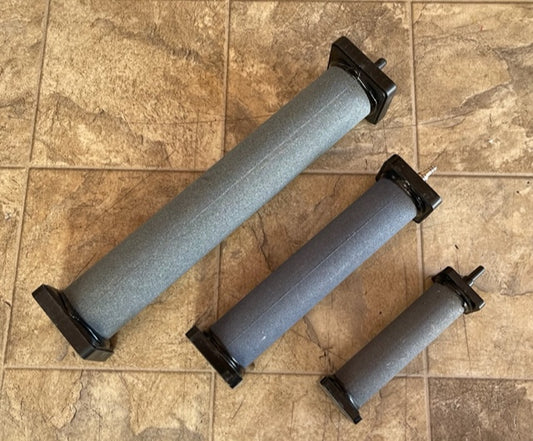
Air Stone Cylinder – 5", 8" & 12"
Vendor:Sea Side AquaticsRegular price From $8.99Regular price -
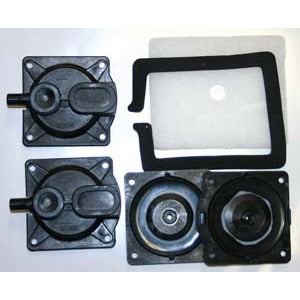
Hakko Diaphragm Replacement Kit
Vendor:HakkoRegular price From $55.99Regular price -
Sphere Air Stone – 1.5" & 2" Round Ball in Grey and Blue
Vendor:Regular price From $3.50Regular price -
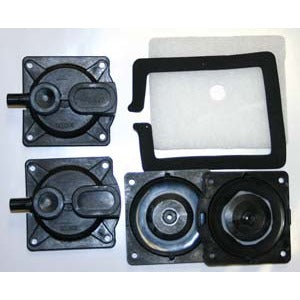
Alita Diaphragm Replacement Kit
Vendor:AlitaRegular price From $39.99Regular price -
Clear Air Tubing, 3/16" and 5/16" – Sold Per Foot
Vendor:LeeRegular price From $0.20Regular price -
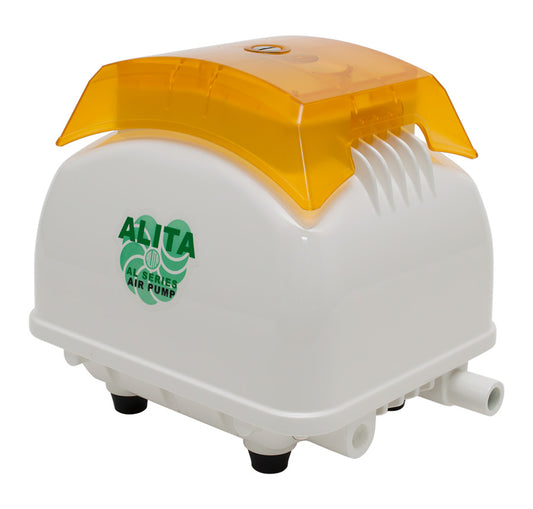
Alita AL Air Pump
Vendor:AlitaRegular price From $120Regular price -
Hakko Air Pump
Vendor:HakkoRegular price From $145Regular price -
Matala Flex Membrane Air Diffuser – DISC
Vendor:MatalaRegular price From $39.99Regular price -
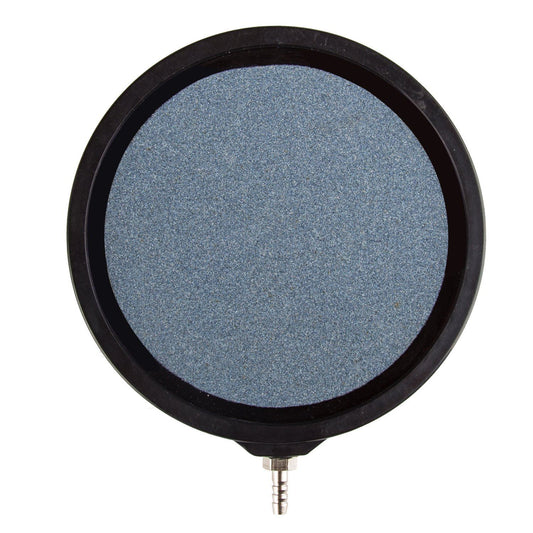
Air Stone Round Disc – 5" & 8"
Vendor:Regular price From $16.99Regular price -
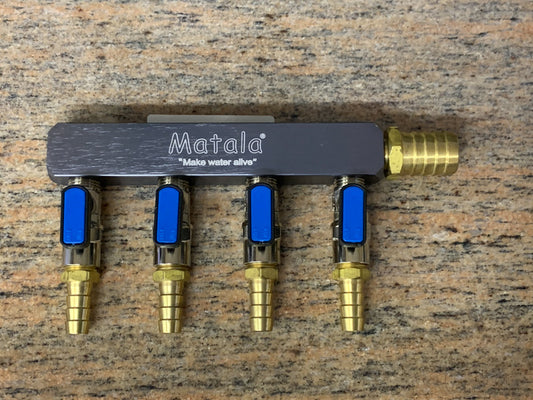
Matala Heavy Duty Air Manifold 4 Way
Vendor:MatalaRegular price From $64Regular price -
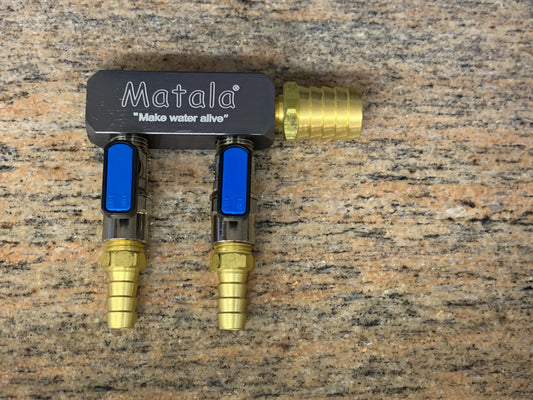
Matala Heavy Duty Air Manifold 2 Way
Vendor:MatalaRegular price From $38Regular price -
Alita Air Manifold Valves – 6, 8 or 12 Way
Vendor:Regular price From $17.50Regular price -
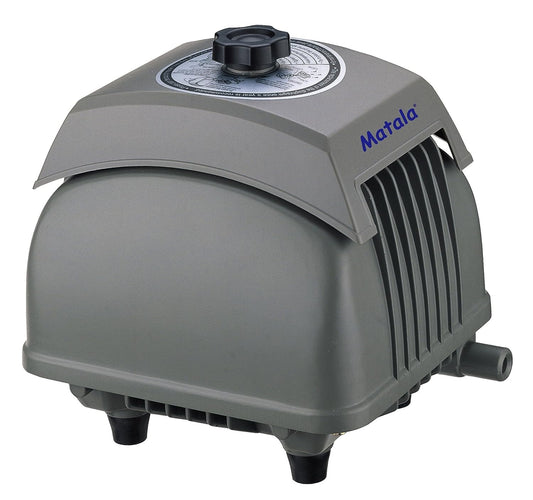
Alita Air Pump
Vendor:AlitaRegular price From $200Regular price -
Air Tubing, 3/16" – Clear or Black, Sold Per Foot
Vendor:Regular price $0.20Regular price -
Inline Airline Gang 3/8" Outlet down to 3/16" Valve, Metal – 4, 6 & 8 Way
Vendor:Regular price From $12.98Regular price -
DreamPond KoiToilet I Aerated Bottom Drain – 3" & 4"
Vendor:DreamPondRegular price From $339.99Regular price