Collection: Water Treatments
Dechlorinator for every refill, beneficial bacteria to start and restart your filter, KH buffer to stop pH crashing overnight, plus ammonia binders, barley clarifiers, sludge treatments and montmorillonite clay. Microbe-Lift, Aqua Meds, Kordon, PondMax, API and TetraPond.
Two habits worth building. Treat the water going in, every single time, because chlorine and chloramine kill the bacteria colony you spent two months growing. And test KH, not just pH: koi ponds consume carbonate hardness continuously, and when it runs out pH stops being anchored and swings hard overnight.

-
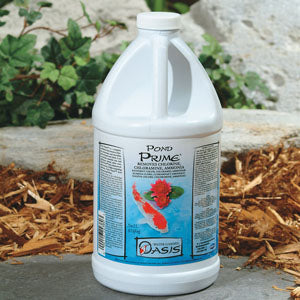
Pond Prime Conditioner
Vendor:SeachemRegular price From $18.95Regular price -
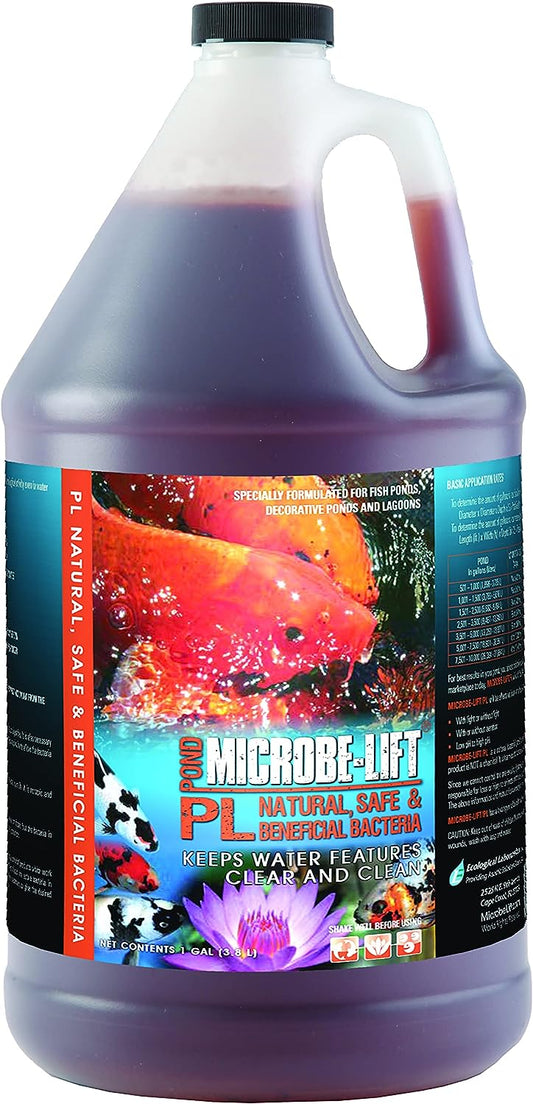
Beneficial Bacteria for Ponds: Microbe-Lift PL Water Clarifier & Balancer
Vendor:Microbe-LiftRegular price From $15.99Regular price -
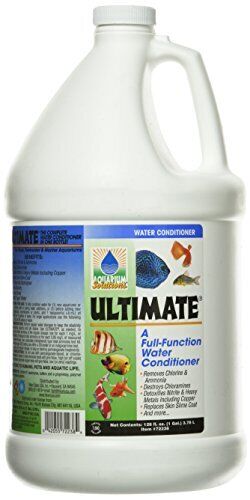
Aquarium Solutions & Pond Solutions Ultimate
Vendor:Pond SolutionsRegular price From $18.65Regular price -
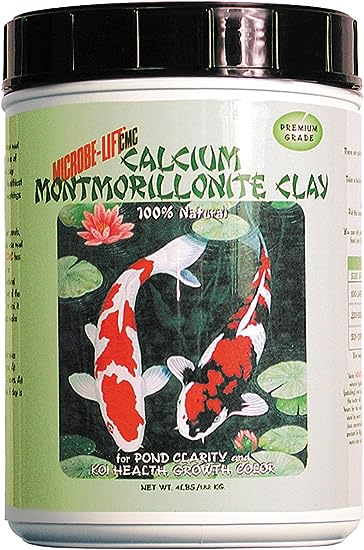
Microbe-Lift CMC - Montmorillonite Clay
Vendor:Microbe-LiftRegular price From $14.95Regular price$36.98Sale price From $14.95Sold -
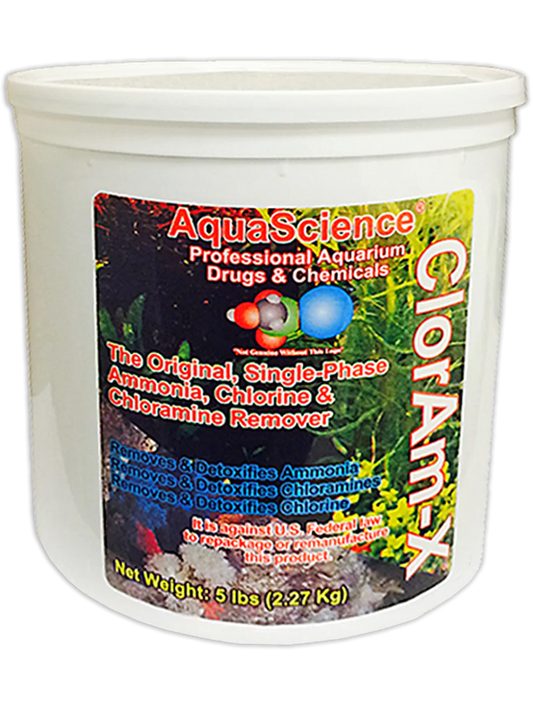
Aquascience Dry Ammonia Remover / Cloram-X
Vendor:Ecological LaboratoriesRegular price From $91.95Regular price -
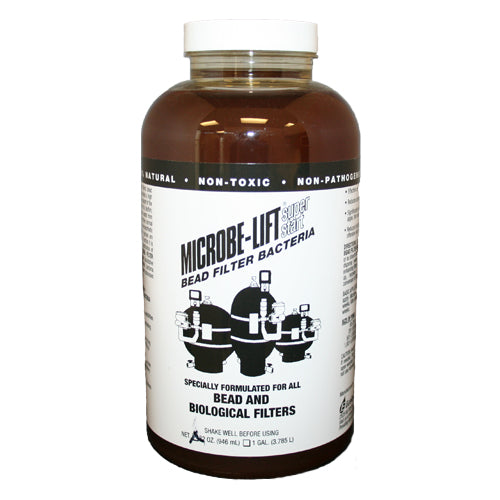
Microbe-Lift Super Start Bead Filter Bacteria
Vendor:Microbe-LiftRegular price $23.98Regular price -
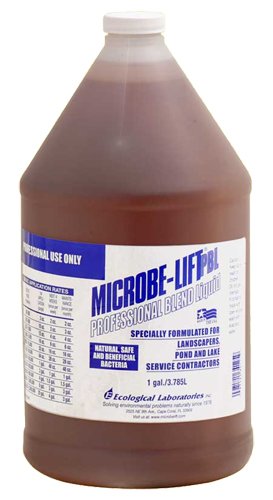
Microbe-Lift Professional Blend Liquid
Vendor:Microbe-LiftRegular price From $23.98Regular price -
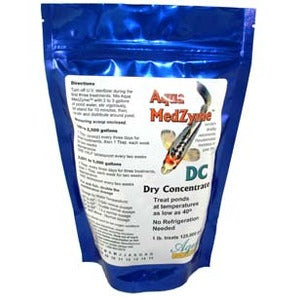
Aqua Meds Aqua MedZyme Dry Concentrate 1 lb.
Vendor:Aqua MedsRegular price From $48.46Regular price -
Aqua Meds Clear Shine Koi Pond Clarifier
Vendor:Aqua MedsRegular price From $21.94Regular price -
Aqua Meds Buff-it-Up
Vendor:Aqua MedsRegular price From $39.99Regular price -
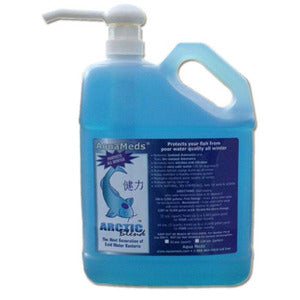
Aqua Meds Arctic Blend Winter Pond Care
Vendor:Aqua MedsRegular price From $37.99Regular price -
API Pond Accu-Clear
Vendor:Aquarium Pharmaceuticals (API)Regular price From $18.99Regular price -
PondMax DetoxMAX+: Pond Dechlorinator Plus
Vendor:PondMaxRegular price From $11.98Regular price -
Microbe-Lift Aqua XTreme: Buffered Pond Water Conditioner
Vendor:Microbe-LiftRegular price From $26.95Regular price -
Aqua Meds Dual Blend Beneficial Bacteria
Vendor:Aqua MedsRegular price From $46.66Regular price$51.47Sale price From $46.66Sale -
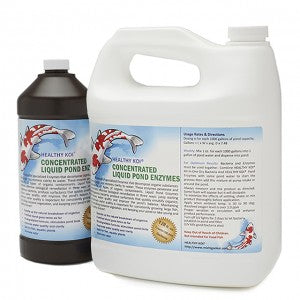
Concentrated Liquid Enzymes | Healthy Koi
Vendor:Healthy KoiRegular price From $32.95Regular price -
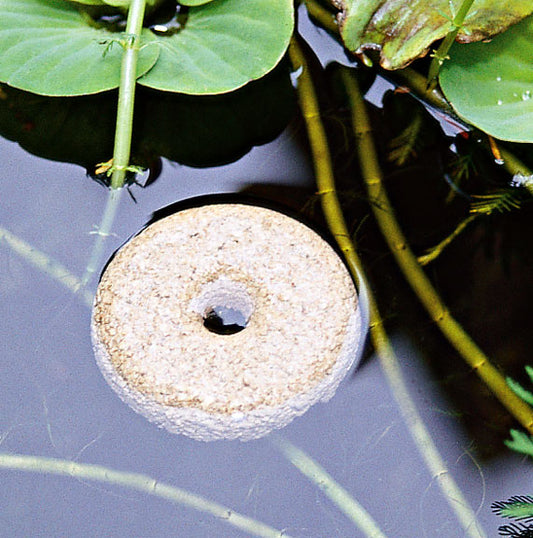
Mosquito Dunks
Vendor:Summit ChemicalRegular price From $6.98Regular price -
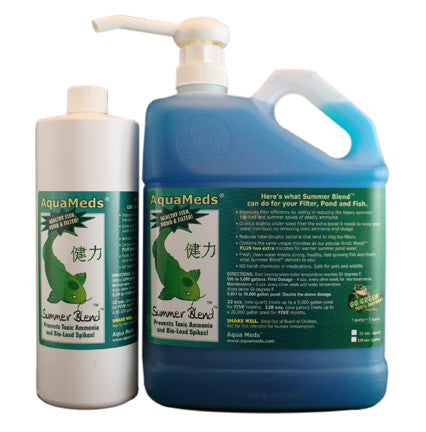
Summer Blend by Aqua Meds
Vendor:Aqua MedsRegular price From $37.99Regular price -
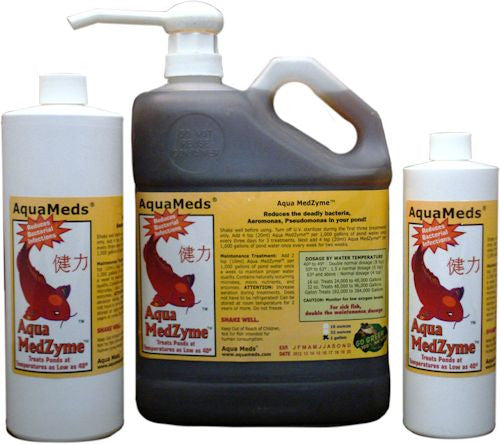
Aqua Meds Aqua MedZyme LIQUID
Vendor:Aqua MedsRegular price From $24.99Regular price -
Microbe-Lift PL Gel: Filter Pad Bacterial Inoculant, 16 oz
Vendor:Microbe-LiftRegular price $21.99Regular price$24.99Sale price $21.99Sale -
PondMax BactiMAX+: All-Season Beneficial Bacteria
Vendor:PondMaxRegular price From $18.98Regular price -
PondMax DeFoamMAX: Pond Foam Remover, 16 oz
Vendor:PondMaxRegular price $17.98Regular price -
Microbe-Lift 7.5 pH Buffer Stabilizer: Pond Formula, 1 lb
Vendor:Microbe-LiftRegular price $12.99Regular price -
Aqua Meds Extract of Barley: Natural Pond Clarifier, 16 oz
Vendor:Aqua MedsRegular price $14.95Regular price -
TetraPond Barley and Peat Extract: Natural Pond Clarifier, 16.9 oz
Vendor:TetraRegular price $14.99Regular price -
TetraPond AquaSafe: Pond Water Conditioner & Dechlorinator, 16.9 oz
Vendor:TetraRegular price $15.99Regular price -
API Pond EcoFix Sludge Destroyer - 16 oz
Vendor:Aquarium Pharmaceuticals (API)Regular price $16.98Regular price -
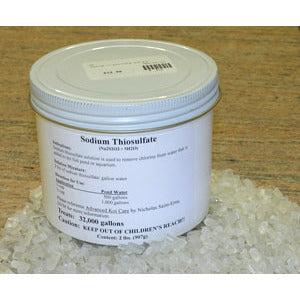
Sodium Thiosulfate (Na2S2O3 + 5H2O) 2 LB
Vendor:GenericRegular price $12Regular price -
 Sale
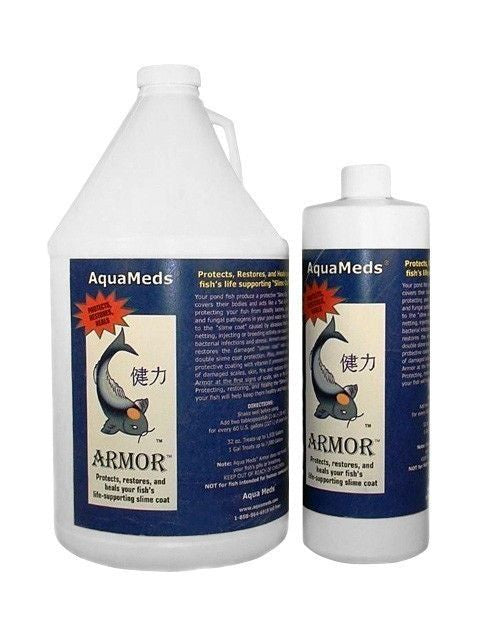
SaleArmor by Aqua Meds
Vendor:Aqua MedsRegular price From $9.99Regular price$20.36Sale price From $9.99Sale -
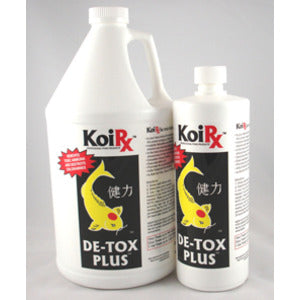
Aqua Meds KoiRx De-Tox Plus
Vendor:Aqua MedsRegular price From $19.99Regular price -
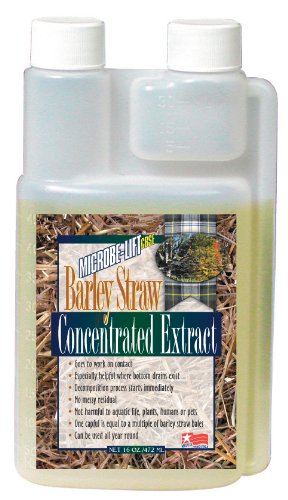
Microbe-Lift Pond Concentrated Extract Barley Straw
Vendor:Microbe-LiftRegular price From $12.98Regular price -
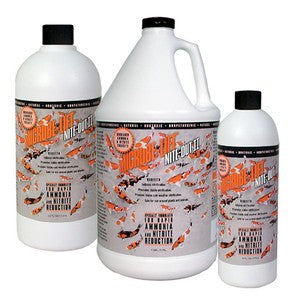
Microbe-Lift Nite Out II
Vendor:Microbe-LiftRegular price From $14.98Regular price -
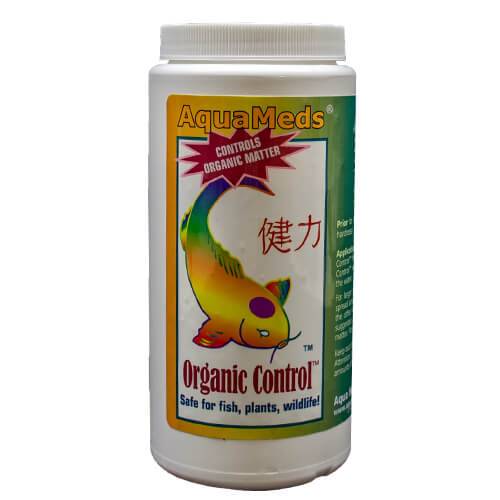
Organic Control by Aqua Meds
Vendor:Aqua MedsRegular price From $34.99Regular price -
Aqua Meds Sludge Remover Triple Strength Bulk, 1lb, 2lb and 4lb
Vendor:Aqua MedsRegular price From $38.83Regular price -
Microbe-Lift Barley Straw Plus Pellets
Vendor:Microbe-LiftRegular price From $18.99Regular price -
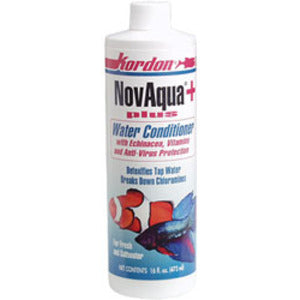
Kordon NovAqua+Plus
Vendor:KordonRegular price From $19.99Regular price -
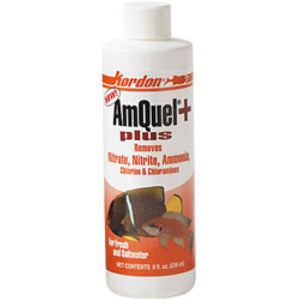
Kordon AmQuel+Plus
Vendor:KordonRegular price From $19.99Regular price -
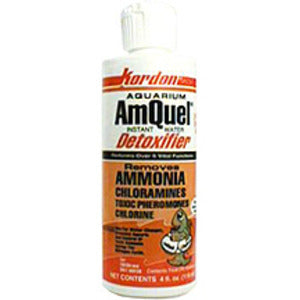
Kordon AmQuel
Vendor:KordonRegular price From $15.99Regular price